
 See Our Latest Article on HelloNation
What Is a Herniated Disc?
A herniated disc refers to a condition where one of the discs between the vertebrae in the spine bulges or ruptures, putting pressure on nearby nerves. This can cause pain, numbness, or weakness, most commonly in the lower back or neck.
Discs act as flexible cushions, allowing the spine to move while absorbing everyday shocks. When a disc herniates, its soft inner material can push out through a tear in the harder outer layer, pressing against sensitive nerve tissue. Many people in DeWitt first notice symptoms after ordinary movements, such as shoveling snow off driveways, raking autumn leaves, or after a slip on icy sidewalks.
What Causes This Condition Locally?
Residents in the area experience disc issues for various reasons. Common causes include:
- Sudden, awkward movements, especially during winter when slipping hazards increase.
- Heavy lifting, like carrying grocery bags or moving outdoor furniture for seasonal changes.
- Repetitive activities, such as gardening and yard cleanup during spring and fall months.
- Age-related disc degeneration, which is more frequent among older residents.
- Poor posture from spending extended periods at a desk or working from home during cold months.
Less often, trauma such as car accidents from snowy roadways or falls can also lead to herniation.
What Are the Typical Symptoms?
Herniated discs commonly present with:
- Sharp or shooting pain along the spine, buttock, or down the leg (sciatica)
- Numbness or tingling in affected areas
- Muscle weakness in the arms or legs
- Intensified pain after sitting, coughing, or sneezing
Symptoms can range from mild to severe. Some people may notice that pain varies depending on daily routines, with certain activities like clearing ice or carrying loads becoming noticeably difficult.
How Is a Herniated Disc Diagnosed?
Diagnosis involves a careful review of symptoms and a physical examination. Health professionals often:
- Ask about the location and pattern of pain or numbness
- Test reflexes, muscle strength, and sensation
- Assess mobility and range of motion
In some cases, a physician may order imaging studies, such as an MRI or CT scan, to confirm the location and extent of the herniation. These tests are especially useful if symptoms are severe, persistent, or if there are signs of nerve compromise.
What Are Common Misconceptions?
Many area residents believe that all back pain is due to a herniated disc or that surgery is the only option for relief. However, most cases result from muscle strain, and most herniated discs improve with conservative care.
Another misconception is the idea that people must stop all activity. While some rest may help during severe pain, gentle movement and appropriate exercises usually support recovery.
Can Chiropractic Care Help With Herniated Discs?
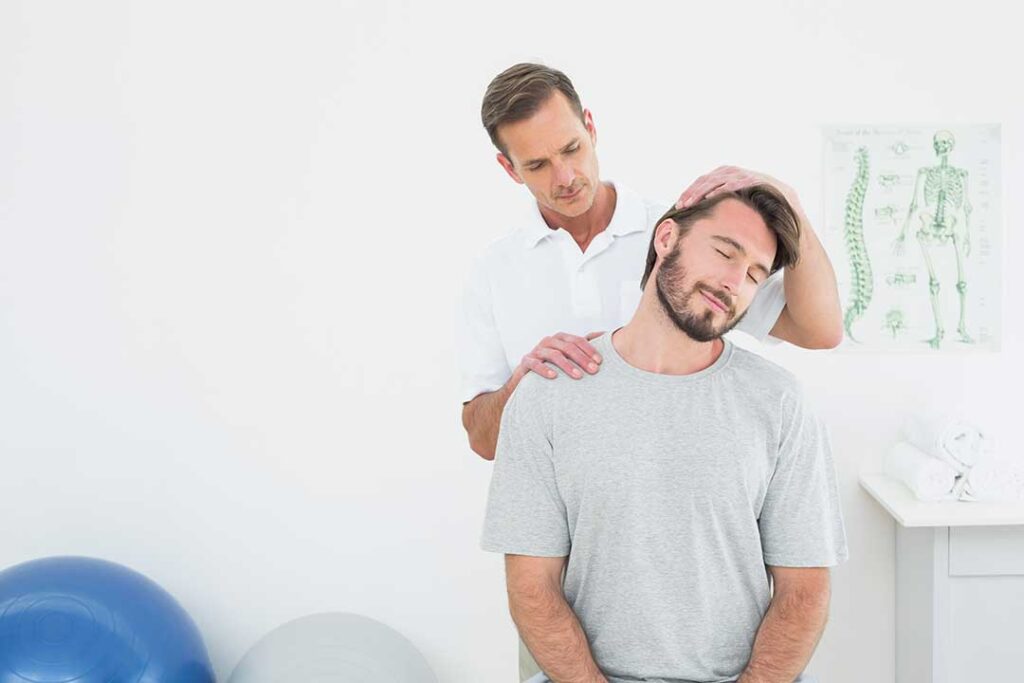
Chiropractic care is commonly sought for relief of disc-related symptoms. Chiropractors may use several approaches, including spinal adjustments, gentle mobilizations, or therapies like soft-tissue techniques and exercise guidance.
When performed appropriately, chiropractic adjustments can help relieve nerve pressure and restore mobility. Chiropractors in the area are trained to tailor their approach to each individual's needs, especially considering the varied activity levels and outdoor routines common in the community.
What Should Residents Consider Before Seeking Care?
Start with an honest assessment of symptom severity. Residents should seek immediate medical attention if they experience:
- Sudden, severe weakness or numbness
- Loss of bladder or bowel control
- Pain following significant trauma, such as a fall on ice
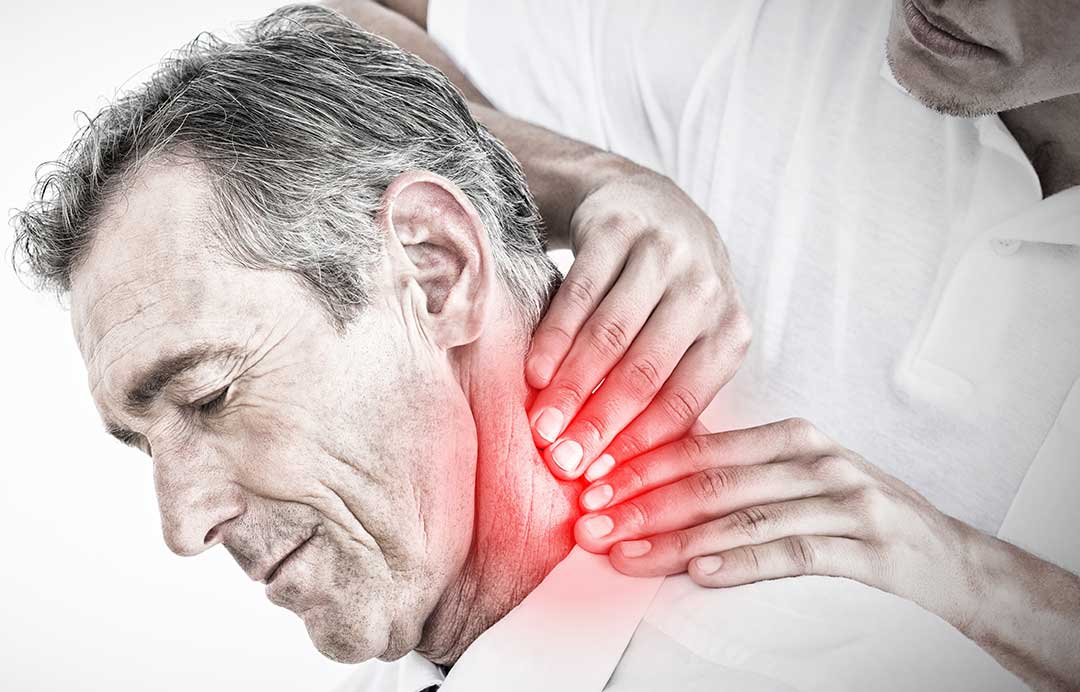
These symptoms may signal a medical emergency rather than a routine disc issue.
For most people, gradual-onset symptoms can be evaluated by a primary care provider or chiropractic professional with appropriate experience. They will help determine if conservative care is suitable or if further testing or referral is needed.
How Do Local Conditions Affect Back Health?
Weather and lifestyle patterns in the area play a role. Icy conditions lead to higher fall risk, while seasonal chores like raking, snow shoveling, or gardening may expose the back to sudden strain.
Residents often spend time clearing driveways, walking dogs on uneven or icy paths, and helping neighbors after snowstorms. These activities can trigger symptoms in someone with a vulnerable disc. Awareness of safe movement strategies and knowing personal limits is particularly helpful for prevention and management.
What Practical Steps Encourage Recovery?
For most cases, a combination of self-care strategies, guided activity modification, and professional oversight can support healing:
- Apply cold or heat to sore areas, depending on what feels best
- Use over-the-counter anti-inflammatories if not contraindicated
- Alternate periods of gentle movement with comfortable rest
- Practice careful lifting techniques: bend knees, keep loads close, and avoid twisting
Specific exercises to strengthen core muscles and improve flexibility can be valuable if guided by a health provider who understands the patient’s activity level and living environment.
When Might Imaging or Specialist Referral Be Necessary?
Residents are sometimes surprised to learn that imaging isn’t always required for initial back pain or suspected herniation. It becomes a priority if:
- There is significant or worsening neurological loss
- Pain does not improve after several weeks of conservative treatment
- Symptoms are accompanied by concerning features signaling nerve damage
Providers in the community often coordinate with imaging centers and specialists if these criteria develop.
What Is the General Outlook for Recovery?
Most people recover from a herniated disc with consistent, non-invasive management. Many can return to regular activities gradually, adapting routines to minimize further strain. Staying active within tolerance, using safe movement practices, and knowing when to seek advice will serve area residents well throughout the year.
