
 See Our Latest Article on HelloNation
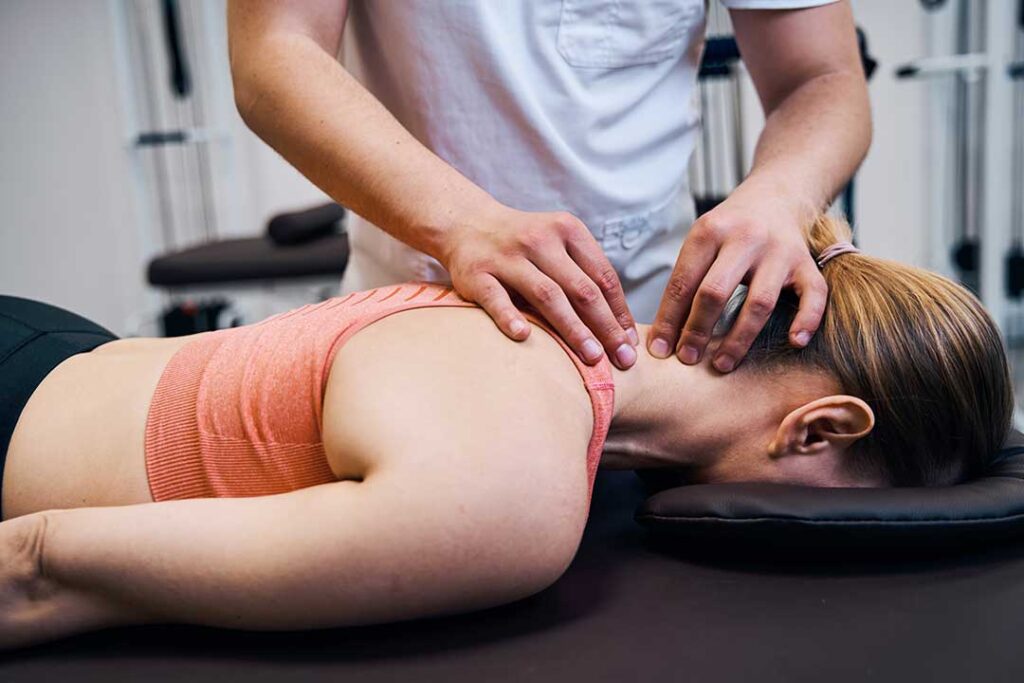
Shoulder popping is often harmless, especially when it occurs without pain, weakness, swelling, or loss of motion. The sound may come from gas bubbles in joint fluid, tendons moving over bone, or normal movement within a highly mobile joint. However, painful or increasingly frequent popping can indicate irritation, instability, arthritis, or an injury that deserves evaluation.
What causes a shoulder to pop?
The shoulder is designed to move in many directions, so it contains several joints, tendons, muscles, and soft-tissue structures that can create clicking or popping sounds.
Common explanations include:
- Gas bubbles in the joint: Small bubbles can form and release in joint fluid, producing a pop without damage.
- Tendons moving over bone: A tendon may briefly shift position as the arm moves, especially when the shoulder is stiff, weak, or fatigued.
- Muscle tension or altered movement: Tightness in the chest, neck, or upper back can change how the shoulder blade moves.
- Normal joint sounds: Some shoulders click or crack regularly without causing a medical problem.
Noise alone is usually less concerning than noise combined with pain or a change in function. Clicking and creaking are common and are rarely signs of serious damage when no other symptoms are present. ([uhmb.nhs.uk](https://www.uhmb.nhs.uk/our-services/services/musculoskeletal-msk-physiotherapy/musculoskeletal-msk-pain/shoulder-pain?utm_source=openai))
Why does my shoulder pop when I raise my arm?
Popping during overhead movement may be related to the rotator cuff, shoulder blade mechanics, or irritation in the space between the upper arm bone and the shoulder structures. Repeated lifting, painting, reaching into high cabinets, yard work, or recreational activities can make these symptoms more noticeable.
A shoulder that pops during movement may also be affected by:
- Tendon irritation or tendinitis
- Bursitis
- Impingement-type pain
- Weakness in the rotator cuff or shoulder-blade muscles
- Loose shoulder ligaments or instability
- A labral injury, particularly after a fall or forceful pulling motion
The location and character of the symptoms can provide clues. Pain at the top of the shoulder may involve the acromioclavicular joint, while deep clicking, catching, or locking may involve structures inside the main shoulder joint. Tingling, numbness, or weakness can also point toward nerve involvement or instability rather than a simple joint noise. ([nhs.uk](https://www.nhs.uk/symptoms/shoulder-pain/?utm_source=openai))
Is a popping shoulder serious?
A painless shoulder that pops occasionally is often not serious. Concern increases when popping is accompanied by pain, weakness, swelling, instability, or reduced range of motion.
Arrange a medical evaluation if:
- The popping began after a fall, collision, or lifting injury.
- The shoulder feels as though it may slip out of place.
- The joint catches, locks, or repeatedly gives way.
- Pain persists or worsens over several days or weeks.
- It becomes difficult to reach overhead, dress, sleep comfortably, or carry ordinary objects.
- The arm feels weak, numb, or tingly.
- The shoulder is warm, red, or visibly swollen.
A shoulder that suddenly changes shape, becomes intensely painful, or cannot be moved after an injury may be dislocated, fractured, or affected by a serious tendon injury. Those symptoms require urgent medical attention. Do not try to force the shoulder back into place. ([mayoclinic.org](https://www.mayoclinic.org/symptoms/shoulder-pain/basics/causes/sym-20050696?utm_source=openai))
What can you do at home for mild popping?
If the popping is mild and not associated with significant pain, begin by reducing the activities that repeatedly provoke it. This does not mean immobilizing the shoulder. Gentle, comfortable movement is generally preferable to complete rest.
Useful steps may include:
- Modify overhead activity: Temporarily reduce repeated reaching, heavy lifting, or movements that consistently trigger pain.
- Keep the shoulder moving gently: Comfortable pendulum movements and easy range-of-motion exercises may help prevent stiffness.
- Use cold after aggravating activity: A wrapped cold pack applied for about 15 to 20 minutes may reduce soreness.
- Improve daily positioning: Avoid spending long periods with the shoulders rounded forward over a phone, laptop, or steering wheel.
- Build strength gradually: Once pain is controlled, exercises for the rotator cuff and shoulder-blade muscles may improve coordination and stability.
- Avoid repeatedly forcing a “crack”: Deliberately reproducing the pop can irritate a sensitive joint or tendon.

During colder months, local residents may spend more time indoors, shovel snow, carry stored items, or perform sudden home-maintenance tasks after a period of inactivity. A gradual warm-up before lifting and taking breaks during repetitive work can reduce unnecessary strain.
Pain medicine may help some people, but over-the-counter products are not appropriate for everyone. People with kidney disease, stomach ulcers, blood-thinning medication use, certain heart conditions, or other medical concerns should ask a healthcare professional or pharmacist before using anti-inflammatory drugs.
Can chiropractic care or physical therapy help?
Treatment depends on the structure causing the symptoms. A thorough evaluation may include questions about the onset of the popping, a movement assessment, strength testing, and examination of the neck and upper back. The shoulder is not isolated from the rest of the body; neck irritation, upper-back stiffness, or altered shoulder-blade movement can contribute to symptoms felt around the shoulder.
Conservative care may include:
- Activity modification
- Mobility exercises
- Strengthening of the rotator cuff and shoulder-blade muscles
- Postural and ergonomic changes
- Manual therapy when appropriate
- Education about lifting and movement habits
Chiropractic care may be considered as part of a broader musculoskeletal approach, particularly when restricted movement in the neck or upper back contributes to shoulder mechanics. It should not replace urgent evaluation after trauma, suspected dislocation, severe weakness, infection symptoms, or unexplained chest-related pain.
Imaging is not automatically needed for every popping shoulder. It may be considered when there is significant injury, persistent pain, marked weakness, suspected arthritis, or symptoms that do not improve with appropriate conservative care.
When should shoulder popping be treated as an emergency?
Call 911 for shoulder or arm symptoms accompanied by chest pressure, shortness of breath, sweating, faintness, nausea, or pain spreading into the jaw, back, or arm. Although many shoulder complaints are mechanical, heart-related pain can sometimes be felt in the shoulder region. ([mayoclinic.org](https://www.mayoclinic.org/symptoms/shoulder-pain/basics/causes/sym-20050696?utm_source=openai))
Seek urgent care after an injury if the shoulder appears deformed, swelling develops suddenly, pain is severe, or the arm cannot be raised. For less urgent symptoms, persistent pain, worsening weakness, or clicking that interferes with normal activities should be assessed rather than repeatedly ignored.
The most useful distinction is simple: popping without pain is often benign; popping with pain, weakness, instability, swelling, or loss of movement needs closer attention.
