
 See Our Latest Article on HelloNation
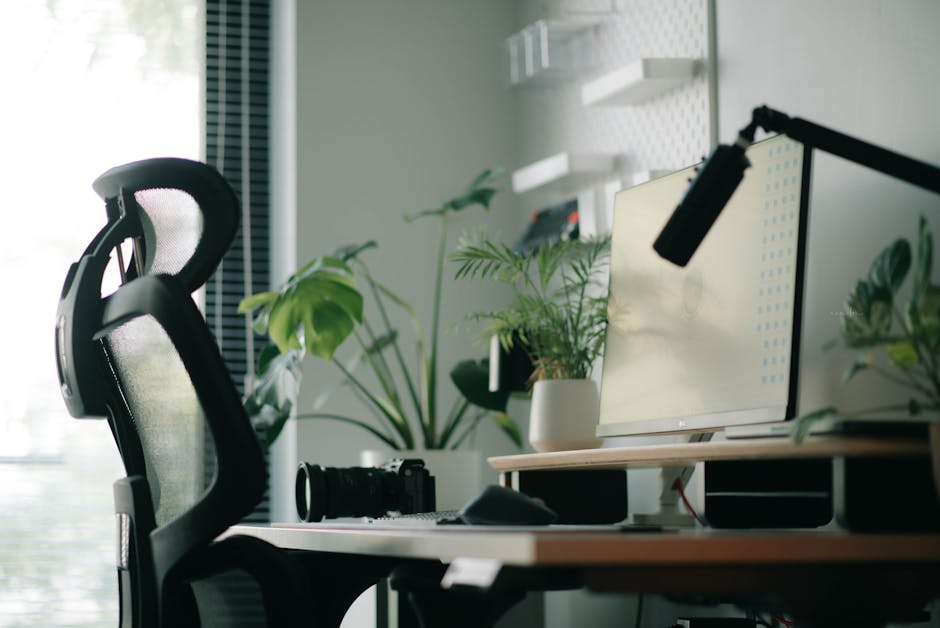
Remote work is now a mainstay for many residents of DeWitt, NY. Whether you’re logging in from a kitchen table with a view of Green Lakes, or from a cozy home office overlooking DeWitt’s charming neighborhoods, working from home offers flexibility—but often at the expense of posture. If you’ve caught yourself slouching during long Zoom calls or noticed stiffness at the end of the day, you’re not alone. Fortunately, it’s possible to improve posture while working from home with a few mindful changes. Here’s how to make sure your health, comfort, and productivity don’t suffer.
Why Posture Matters for Remote Workers in DeWitt
Posture is about more than looking confident. Sitting or standing with proper alignment supports your spine’s natural curves, reduces fatigue, and can help prevent persistent back and neck pain—a common complaint among home-based professionals. As the seasons change in DeWitt, NY, and we spend more time indoors, these issues tend to become more noticeable.
Poor posture can lead to:
- Chronic pain in the neck, shoulders, and lower back
- Headaches and even migraines
- Decreased energy and focus
- Increased risk of musculoskeletal problems over time
Being mindful of posture is especially important when the line between workspace and relaxation spot blurs, as it does in many DeWitt homes.
Assessing Your Home Workspace
The first step to improving posture is to evaluate your current setup. Ask yourself:
- Is my screen at eye level or am I constantly looking down?
- Does my chair support my lower back?
- Are my feet flat on the floor?
Many DeWitt homes might improvise with kitchen chairs or sofas as work areas—a necessity, but not always ergonomic. With the area’s eclectic mix of historic houses and contemporary builds, every workspace looks different, but the basics of ergonomics remain the same.
Quick Workspace Fixes
- Elevate Your Screen: Use books, a sturdy box, or a laptop riser so the top of your screen is at or just below eye level.
- Chair Support: Place a small pillow, rolled towel, or a dedicated lumbar roll behind your lower back.
- Keyboard & Mouse Position: Your elbows should be at a 90-degree angle and wrists relaxed. Use an external keyboard if working on a laptop for extended periods.
- Foot Placement: If your feet don’t reach the floor, use a footrest, a shoebox, or even a stack of DeWitt library books.
Daily Habits to Encourage Good Posture
Life in DeWitt moves at its own pace, inviting residents to enjoy both work and leisure throughout the day. Here are practical habits you can weave into your work-from-home schedule:
1. Set a Timer for Movement
Sitting still for hours is hard on the body. Every 30-45 minutes, set a timer to remind yourself to stand, stretch, or walk around. Try a loop around your house or, when the weather’s nice, step outside for a breath of fresh Erie Canal air.
2. Practice the "90-90-90" Rule
Whenever you sit, aim for your hips, knees, and ankles to form 90-degree angles. This helps keep the spine aligned and reduces undue pressure on your lower back.
3. Stretch and Strengthen
Simple stretches targeting the neck, chest, back, and hips can counteract the effects of sitting. Try:
- Shoulder rolls and chin tucks to relieve neck tension
- Chest-opening stretches to discourage slumping
- Gentle back bends or standing extensions every hour
A few minutes of core-strengthening exercises each day can also bolster your postural muscles. Consider local yoga classes—many run virtually from DeWitt fitness centers—for expert guidance.
4. Adjust Lighting and Reduce Glare
DeWitt’s bright summer sun or overcast winter days can impact your screen visibility. Adjust your desk or seating to minimize glare and avoid squinting or leaning closer to your screen.
5. Mind Your Tech Time
DeWitt residents are no strangers to multi-tasking. If you use tablets or phones, hold them at eye level rather than bending your neck—what experts call “tech neck” is extremely common in the digital age.
Creating a Posture-Friendly Home Office in DeWitt
If you’re able to dedicate a space to work, invest a little in your physical setup:
- Ergonomic Chair: Look for models with adjustable height and lumbar support.
- Desk Height: Your work surface should allow your forearms to rest parallel to the floor.
- Lighting: Natural light is ideal, but desk lamps with warm bulbs can help on gray DeWitt days.
- Add Greenery: Incorporate plants for a calming work environment—DeWitt’s many garden centers make this easy and enjoyable.
Making Movement a DeWitt Lifestyle
DeWitt is a community that values outdoor activity. Utilize local parks like Jamesville Beach or the Erie Canalway Trail for walking breaks. Even a lunch-hour stroll can reset your posture and promote circulation. When possible, end your remote workday with a walk—your spine, joints, and mood will thank you.
When to Seek Help
If you experience ongoing pain, numbness, or discomfort despite these adjustments, consider reaching out to a local chiropractor or healthcare professional in DeWitt, NY. Early intervention can help prevent worsening problems.
Summary: Finding Balance at Home
Working from home gives DeWitt residents flexibility—but it works best when supported by good posture habits. By adjusting your environment, maintaining an awareness of body alignment, and weaving movement into your day, you’ll improve both comfort and productivity. Remember, even small changes can make a significant difference in how you feel and function.
For further guidance or if you’re struggling with consistent pain, seeking professional help from a trusted chiropractor in DeWitt can make all the difference.
