
 See Our Latest Article on HelloNation
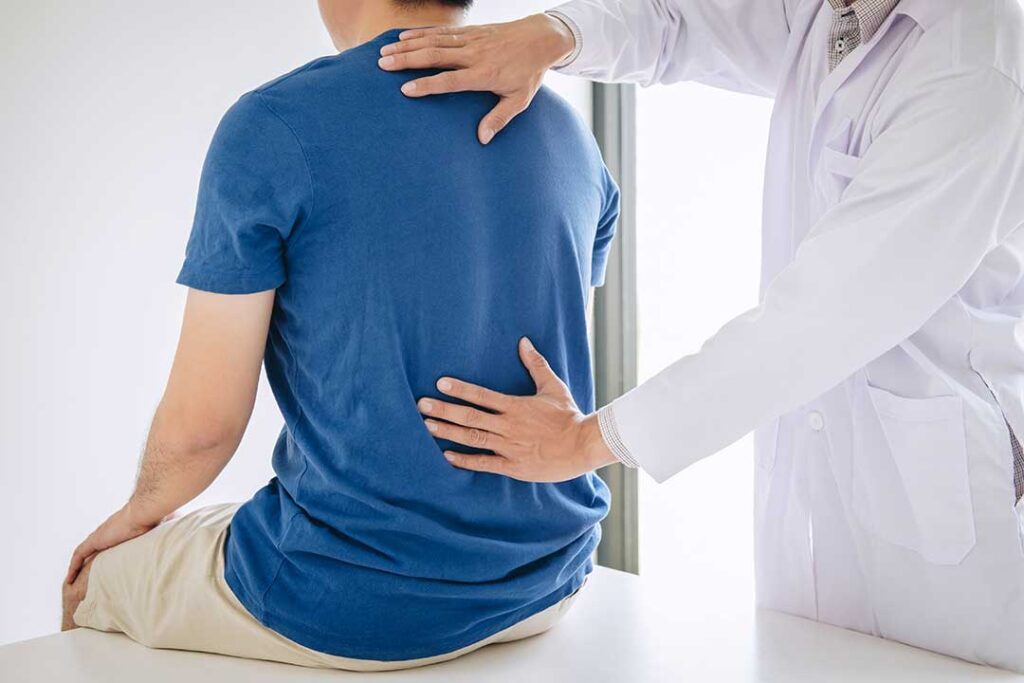
How Can Stress Affect Back Health?
Stress triggers a physical response in the body that can influence the back more than many people realize. When the body experiences stress—whether from work, family obligations, or the fast-changing weather patterns experienced in DeWitt, NY—it often tightens muscles and changes posture. Over time, these changes can lead to noticeable pain or discomfort, especially in the lower and upper back.
During periods of stress, muscles along the spine may remain contracted for longer than usual. This constant tightness reduces their flexibility and puts extra strain on the joints and ligaments supporting the spine. For those working long hours at a desk or doing physical tasks in the local area, these effects may appear slowly but become persistent if not addressed.
Why Do Local Residents Report More Back Pain During Stressful Times?
Local households often observe that their back pain intensifies during stressful periods, such as major holidays, school exams, or significant community events. The link comes down to both physical and emotional habits:
- Mental stress can lead to "holding tension" in the neck, shoulders, and lower back
- Distracted or anxious thoughts may encourage slouched posture while sitting at home, watching TV, or using digital devices
- Extra responsibilities (like shoveling snow in winter or outdoor chores in spring) can lead to hurried or careless lifting and bending
- Poor or inconsistent sleep, which often happens when stress is high, may worsen muscular discomfort or make flare-ups more likely
Practical observation in the community shows that these patterns often go unnoticed until discomfort is hard to ignore.
Can Emotional Tension Really Cause Physical Back Pain?
Yes, emotional strain influences the nervous system and muscular function. The mind and body are deeply connected, and ongoing worry or anxiety signals the body to stay in an alert state. This constant alertness often results in:
- Chronic muscle tightness, especially in the shoulders and lower back
- Reduced ability of the muscles to "reset" and relax fully after use
- Minor injuries or muscle irritations not healing as quickly
Some people may also experience "referred pain," where physical sensations are felt in areas associated with stress—even if those places haven't suffered a physical injury. This effect is common in the middle back and shoulders.
What Do Residents Mistakenly Overlook About Stress and Back Pain?
A frequent misconception in DeWitt is that back pain must be caused by a sudden movement, injury, or obvious physical mishap. In reality, long-term stress and subtle daily habits contribute to most non-traumatic back pain cases.
Neglected factors in the community include:
- The role of daily commutes or long school bus rides that prompt poor posture
- Local climate changes, such as cold temperatures in winter, making muscles more prone to tightness when stress mounts
- Unaddressed worries about health, finances, or family that subtly influence body tension
Recognizing these hidden contributors is key for residents who wish to take personal steps toward feeling better.
How Can People in DeWitt Lower Stress-Related Back Pain at Home?
Simple, regular habits often lead to the most reliable relief. For many area households, changes may include:
- Taking short movement breaks when working from home or spending time seated indoors
- Practicing gentle back stretching, particularly during seasons when people spend more time inside
- Using heat packs or warm showers on tense muscles—especially after being outdoors in colder months
- Focusing on deep, slow breathing for a few minutes each day to help the muscles release built-up tension
- Making time for leisure activities, such as walking in local parks or gardening, which naturally lower stress levels
Awareness and consistency can be more effective than occasional intensive efforts.
Are Certain Groups in the Community More at Risk?
Some people face a higher risk of experiencing back pain linked to stress, including:
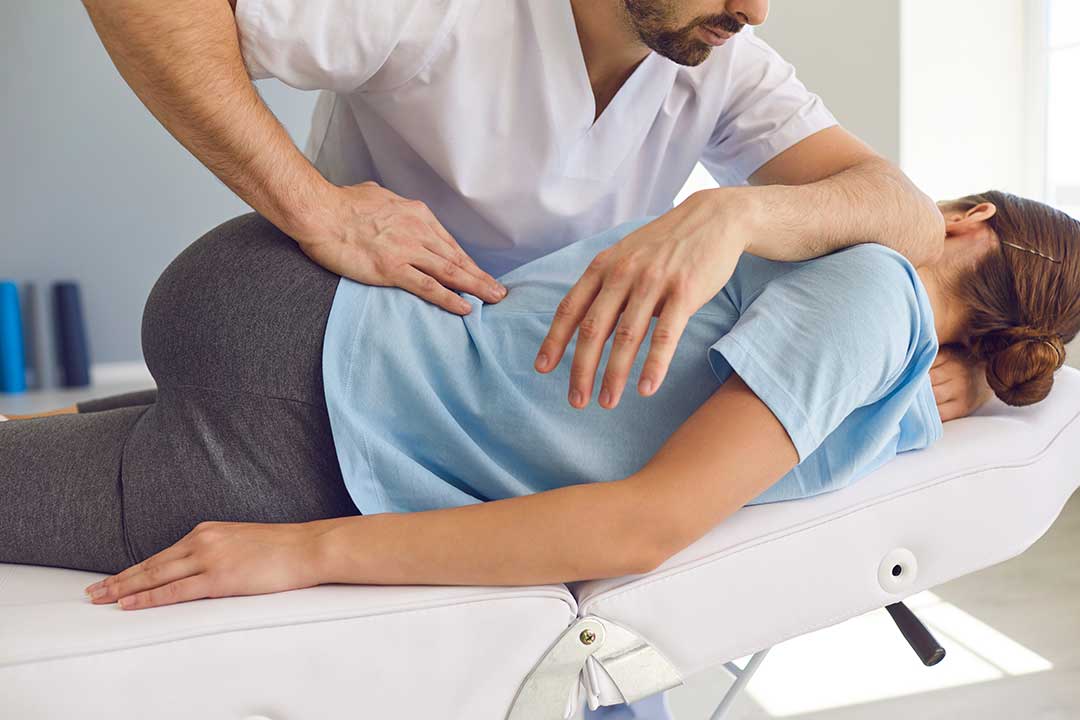
- Office workers and students, due to repetitive sitting and desk work
- Caregivers and parents juggling multiple responsibilities
- Individuals who recently moved or changed routines and haven't established new habits
- Older adults, as age can make muscles recover less quickly from stress-induced tension
Each group may require small adaptations, from ergonomic seating to making time for regular exercise, to reduce risk factors.
Should People Worry If Their Back Pain Feels Worse When Stressed?
A temporary increase in back discomfort during stressful times is not unusual and rarely signals serious danger. However, there are situations when persistent or escalating pain deserves careful attention, especially if accompanied by:
- Numbness or tingling in the legs
- Loss of bladder or bowel control
- Sudden, severe pain after a fall or other injury
While emotional stress can create or amplify symptoms, ongoing pain that limits daily life or fails to improve with self-care may mean another factor is involved. Monitoring symptoms and patterns helps residents decide when additional care may be needed.
How Do Posture and Local Climate Combine With Stress?
DeWitt’s climate, with its distinct seasonal shifts, influences how residents experience and manage back discomfort. Cold, damp weather tends to make muscles tighten, increasing the likelihood that stress-induced tension will result in pain. People often unconsciously hunch their shoulders or curl up for warmth, which—combined with stress—compounds the risk.
Attention to both posture and daily movement routines can help area residents stay comfortable, especially in late fall, winter, and early spring.
What Practical Steps Lessen the Impact of Stress on Back Health?
- Practicing simple, mindful awareness of posture throughout the day
- Taking advantage of local recreational facilities or walking paths to include movement in daily routines
- Sharing household tasks to reduce physical and emotional load during busy periods
- Seeking out community or online resources for stress reduction tools like guided relaxation or light stretching
Most importantly, recognizing the back as both a physical and emotional "barometer" helps residents care for their bodies more holistically in a place like DeWitt, where lifestyle and seasonal changes often increase stress.
