
 See Our Latest Article on HelloNation
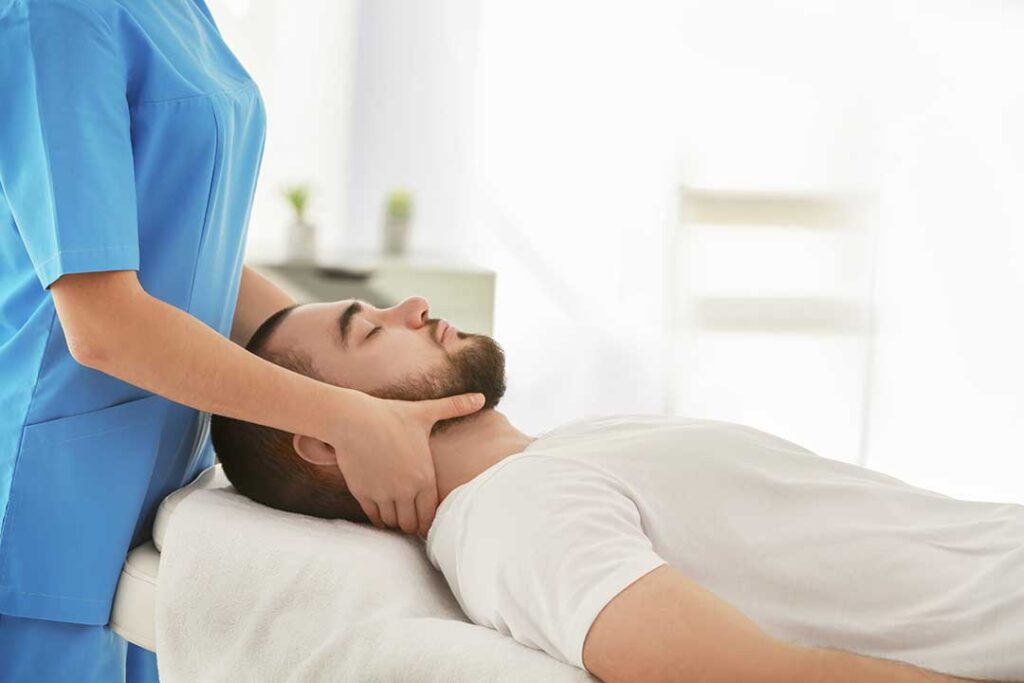
Residents in DeWitt, NY who are told that surgery may be an option often want to know whether less invasive care could help first. For many types of back, neck, and musculoskeletal pain, a carefully planned period of non-surgical treatment may improve comfort and function. The right choice depends on the cause of symptoms, the presence of nerve involvement, overall health, and whether any warning signs require urgent medical attention.
Can chiropractic care help someone avoid surgery?
Sometimes, but it cannot replace surgery when there is severe nerve compression, spinal instability, infection, fracture, cancer, or another condition requiring urgent treatment. Chiropractic care is generally considered a conservative treatment intended to reduce pain, improve movement, and support normal activity.
For uncomplicated mechanical back or neck pain, care may include:
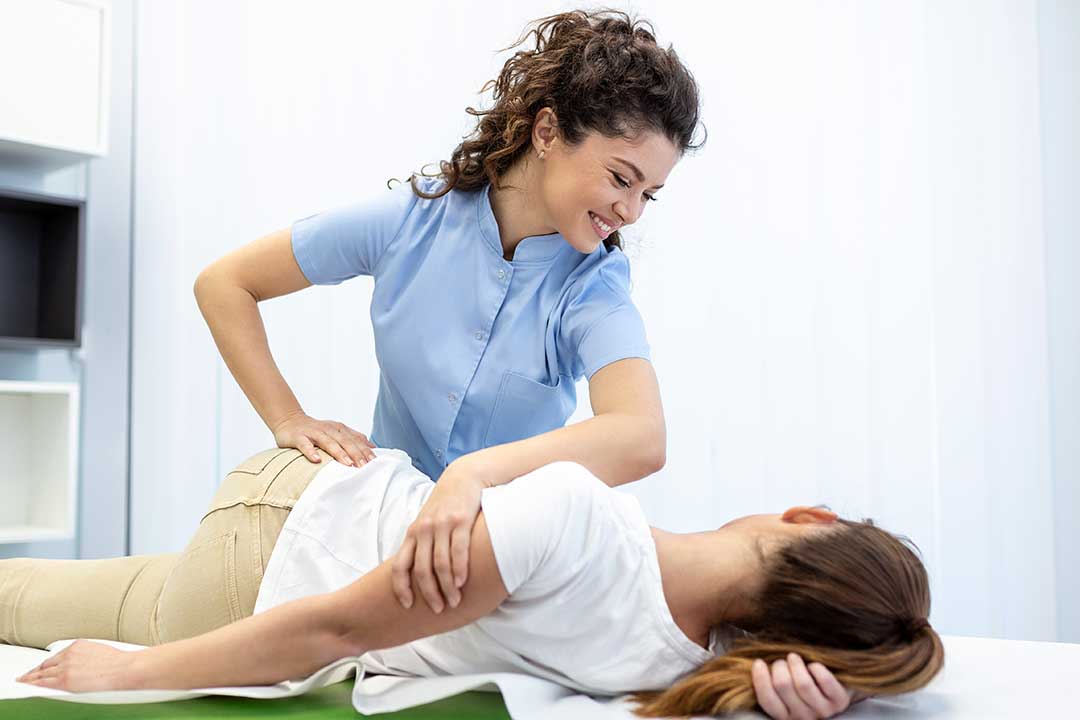
- Gentle spinal mobilization or manipulation when appropriate
- Soft-tissue techniques
- Movement and strengthening exercises
- Education about posture, lifting, sleep positions, and activity modification
- A gradual return to work, household tasks, recreation, or exercise
Evidence-based guidelines generally place manual therapy within a broader plan that includes exercise rather than using manipulation as the only treatment. The National Institute for Health and Care Excellence recommends considering manual therapy for low back pain or sciatica only as part of a package that includes exercise, with or without psychological support. ([nice.org.uk](https://www.nice.org.uk/guidance/NG59/chapter/recommendations))
What non-surgical alternatives are commonly considered?
The most useful alternative is usually not a single procedure. It is a coordinated plan that addresses pain, mobility, strength, and daily habits.
Exercise-based rehabilitation
Exercise can help restore strength, balance, endurance, and confidence with movement. Depending on the diagnosis, a program may include walking, core endurance, hip strengthening, neck stabilization, mobility work, or gradual resistance training.
The goal is not to push through severe pain. It is to find a tolerable level of activity and increase it over time. For someone managing snow removal, home maintenance, commuting, or prolonged sitting during a DeWitt winter, a gradual conditioning plan may be more practical than complete rest.
The American College of Physicians recommends non-drug approaches such as exercise, yoga, tai chi, mindfulness-based approaches, and spinal manipulation for many adults with chronic non-radicular low back pain. ([acponline.org](https://www.acponline.org/acp-newsroom/american-college-of-physicians-issues-guideline-for-treating-nonradicular-low-back-pain?utm_source=openai))
Physical therapy and supervised movement training
Physical therapy may be useful when pain limits normal movement, symptoms keep returning, or weakness and stiffness make daily activities difficult. Treatment can include hands-on care, therapeutic exercise, gait training, balance work, and instruction in safe movement.
A chiropractor and physical therapist may use some overlapping methods, but their evaluations and treatment plans can differ. The important question is whether the plan is helping a person regain function rather than simply providing short-term relief.
Medication and symptom management
Some people use over-the-counter or prescription medication while participating in rehabilitation. Anti-inflammatory medications may not be appropriate for people with kidney disease, stomach ulcers, cardiovascular disease, blood-thinning medication use, pregnancy, or other health concerns.
Medication decisions should be made with a qualified medical clinician who knows the person’s health history. Guidelines advise using the lowest effective dose for the shortest reasonable period when anti-inflammatory medication is selected, while also considering possible gastrointestinal, liver, kidney, and cardiovascular risks. ([nice.org.uk](https://www.nice.org.uk/guidance/NG59/chapter/recommendations))
Heat, brief cold applications, pacing, and sleep-position changes may also help manage symptoms. These approaches do not correct every structural problem, but they can make movement and rehabilitation more tolerable.
Education and activity modification
Pain often worsens when a person alternates between overexertion and complete inactivity. A more sustainable approach may involve breaking demanding tasks into shorter periods, changing positions regularly, using proper lifting mechanics, and avoiding sudden increases in exercise or yardwork.
For example, moving several heavy containers, clearing wet snow, or spending hours bent over a home project can irritate the back even when no serious injury has occurred. Adjusting the duration and technique of these activities may reduce repeated flare-ups.
Can non-surgical care help with a herniated disc or sciatica?
It may help, especially when symptoms are improving and there is no progressive neurological loss. Sciatica typically involves pain, tingling, numbness, or weakness that travels from the lower back into the leg. Some cases improve over time with activity guidance, exercise, medication, and other conservative measures.
Non-surgical care should be reassessed if pain remains disabling, symptoms worsen, or treatment is not improving function. NICE guidance states that spinal decompression may be considered when non-surgical treatment has not improved pain or function and imaging findings match the person’s sciatic symptoms. ([nice.org.uk](https://www.nice.org.uk/guidance/NG59/chapter/recommendations))
A scan is not automatically needed for every episode of back pain. Imaging is generally most useful when the result is likely to change treatment decisions, particularly when symptoms are severe, persistent, or accompanied by neurological findings. ([nice.org.uk](https://www.nice.org.uk/guidance/NG59/chapter/recommendations))
When is surgery more difficult to avoid?
Surgery may become more appropriate when a structural problem is causing persistent, significant impairment or when nerves are at risk. Examples can include:
- Progressive muscle weakness
- Severe spinal cord or nerve-root compression
- Spinal instability
- Certain fractures
- Infection or tumor
- Loss of bladder or bowel control associated with back symptoms
- Numbness in the saddle area around the inner thighs and groin
These symptoms require prompt medical evaluation. New or worsening weakness, difficulty walking, or changes in bladder or bowel function should not be managed with routine conservative care alone. Neurological guidance identifies gait disturbance, clumsy or weak limbs, and new bladder or bowel symptoms as reasons for urgent consideration. ([nice.org.uk](https://www.nice.org.uk/guidance/ng127/chapter/Recommendations-for-adults-aged-over-16))
What should someone ask before agreeing to surgery?
A second opinion may be reasonable when the situation is not urgent and the diagnosis is unclear. Useful questions include:
- What specific condition is the surgery intended to treat?
- What symptoms are expected to improve?
- What could happen if treatment is delayed?
- Have exercise-based rehabilitation and other appropriate non-surgical options been tried?
- Does the imaging finding clearly match the symptoms?
- What are the expected benefits, risks, recovery time, and restrictions?
- Is the recommendation based on pain, weakness, instability, or another concern?
A disc bulge or arthritis seen on imaging does not always explain a person’s pain. Decisions are stronger when the examination, symptoms, functional limitations, and imaging findings all point to the same problem.
How should DeWitt residents think about the decision?
The practical goal is not to avoid surgery at any cost. It is to choose the safest treatment that addresses the actual cause of symptoms. For many non-emergency conditions, a time-limited trial of exercise, education, activity modification, medication when appropriate, and carefully selected manual care may be reasonable.
Treatment should be adjusted if function is not improving. Conservative care is not a promise that surgery will never be needed; it is a way to determine whether the body can recover without an operation while monitoring for signs that require a different level of care.
