
 See Our Latest Article on HelloNation
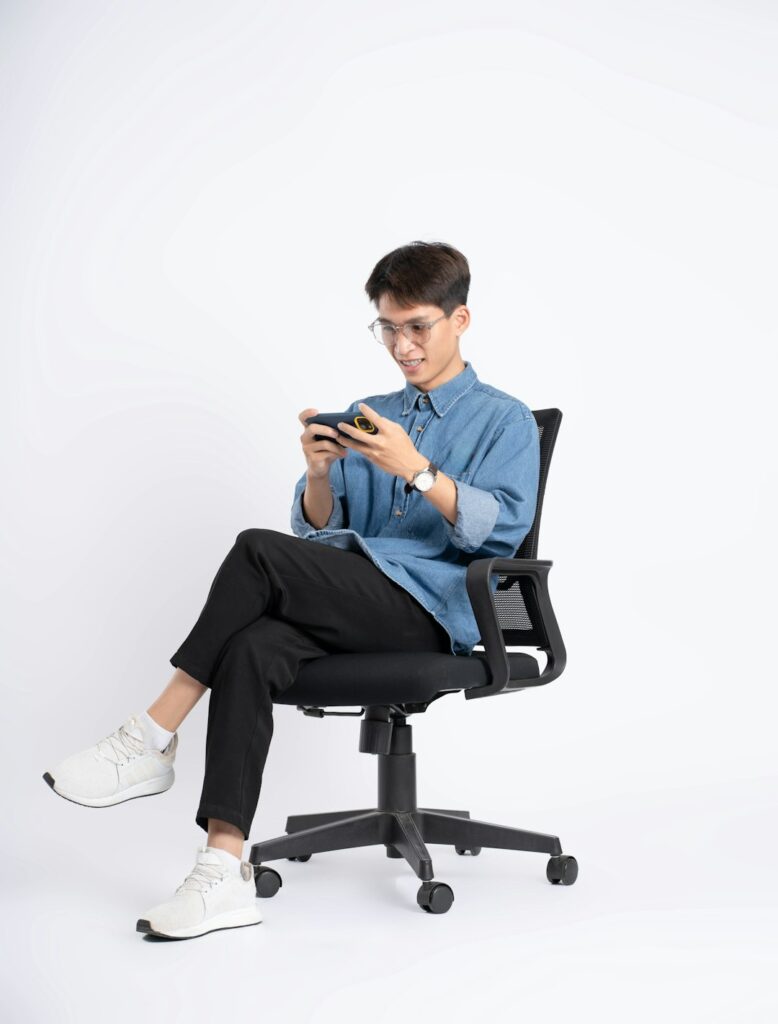
Poor posture is more than a matter of appearance. Spending hours with the head tilted forward, shoulders rounded, or lower back unsupported can place extra stress on muscles, joints, nerves, and spinal discs. Over time, these physical demands may contribute to discomfort, reduced mobility, headaches, fatigue, and difficulty performing everyday activities.
For residents of DeWitt, posture can be affected by many common routines: computer-based work, commuting, household tasks, winter clothing, shoveling, prolonged sitting, and relaxing with a phone or tablet. The goal is not to hold a rigid “perfect” position all day. Healthy posture is better understood as a comfortable, changeable alignment supported by regular movement.
What does poor posture do to the body?
Poor posture changes how the body distributes weight and effort. When the head moves forward, the neck and upper-back muscles must work harder to support it. When the shoulders remain rounded, the chest and upper-back muscles may become tight while other muscles weaken or fatigue. Slouching can also reduce the natural support provided by the curves of the spine.
Common effects may include:
- Neck stiffness or aching
- Upper-back and shoulder tension
- Low-back discomfort
- Headaches related to muscle tension
- Reduced flexibility
- Fatigue during sitting or standing
- Tingling, numbness, or weakness when nerves are irritated
Posture is only one factor in pain. Injuries, arthritis, muscle weakness, sleep quality, stress, activity level, and medical conditions can also contribute. A person may have an imperfect posture without pain, while another person may develop symptoms after a relatively short period in one position.
Can poor posture cause back and neck pain?
It can contribute to back and neck pain, especially when an awkward position is held for a long time. Static posture places continuous demand on muscles instead of allowing them to alternate between contraction and relaxation. This may lead to fatigue, stiffness, and sensitivity in the surrounding tissues.
For example, leaning toward a laptop at a kitchen table may round the upper back and move the head forward. Looking down at a phone while seated can create similar strain. At the other end of the body, sitting with the pelvis rolled backward may reduce the natural curve of the lower back and increase pressure on muscles and joints.
Pain does not always mean the spine has been damaged. In many cases, symptoms reflect a combination of sustained positioning, reduced movement, muscle deconditioning, and gradual irritation. Sudden severe pain, pain after a significant fall, or symptoms that steadily worsen should be assessed rather than attributed to posture alone.
How can posture affect headaches and breathing?
Neck and shoulder tension associated with prolonged forward-head posture may contribute to certain tension-type headaches. Tight muscles near the base of the skull and upper shoulders can become sensitive, particularly after long periods of computer use or driving.
A rounded upper back may also limit comfortable expansion of the rib cage. This does not usually cause serious breathing problems by itself, but some people notice that upright positioning makes breathing feel easier during sedentary activities. Shortness of breath, chest pain, dizziness, or unexplained exercise intolerance should not be assumed to result from posture and requires appropriate medical evaluation.
Does poor posture affect energy and concentration?
Holding an unsupported or awkward position can make ordinary tasks feel more tiring. Muscles may work continuously to stabilize the head, trunk, or shoulders, even when the person is not exercising. Discomfort can also make it harder to focus, sleep comfortably, or remain productive.
The issue is often not one posture by itself, but too little variation. Sitting upright for hours without moving can be just as fatiguing as slouching continuously. Alternating between sitting, standing, walking, and brief stretches generally places less strain on one group of tissues.
What is a healthier sitting position?
A useful sitting position allows the feet to rest on the floor or another stable surface, keeps the hips level with or slightly higher than the knees, and supports the lower back without forcing it into an exaggerated arch. The shoulders should be relaxed, and the screen should be high enough that the neck does not remain bent downward.
Helpful adjustments include:
- Move the chair close enough to the desk to avoid reaching forward.
- Keep the keyboard and mouse near the body.
- Let the elbows rest comfortably near the sides.
- Use a small cushion or chair support if the lower back lacks support.
- Keep frequently used items within easy reach.
- Change position or stand briefly about every 20 to 30 minutes.

These principles apply to a home office, workplace, vehicle, dining chair, or couch. A costly chair is not required for every situation; setup, movement, and individual comfort matter more than a particular product.
How can residents reduce posture-related strain at home?
Seasonal routines can influence posture. Winter clothing may make it harder to move freely, while snow removal and carrying wet or heavy materials can place additional demands on the back and shoulders. Repeated bending, twisting, or reaching during household maintenance can be more stressful when the body is already fatigued.
To reduce strain:
- Break demanding chores into shorter periods.
- Keep loads close to the body while carrying them.
- Turn the feet instead of twisting the trunk while holding weight.
- Alternate hands and tasks when possible.
- Avoid prolonged phone use with the device held low.
- Use walking and light activity to interrupt long sitting periods.
- Prioritize sleep, since fatigue can reduce awareness of body position and movement habits.
Strengthening the legs, hips, trunk, and upper back may also improve tolerance for daily activities. Exercises should be introduced gradually and modified if they increase pain.
Is “good posture” supposed to feel rigid?
No. Healthy posture is not a military stance, and constantly pulling the shoulders back or tightening the abdomen can create new tension. A comfortable neutral position should allow relaxed breathing, normal movement, and easy changes in position.
A practical test is to ask whether the head is balanced over the shoulders, whether the shoulders can relax, and whether the feet and pelvis feel supported. If maintaining a position requires constant effort, the position may need to be adjusted.
When should posture-related symptoms be evaluated?
Mild stiffness that improves with movement and rest is often manageable with changes in activity and workstation setup. Evaluation is more appropriate when pain persists, interferes with sleep or daily activities, repeatedly returns, or is accompanied by numbness, weakness, balance problems, or pain traveling into an arm or leg.
Urgent medical attention is warranted for symptoms such as loss of bladder or bowel control, sudden significant weakness, severe pain after trauma, fever with severe back pain, unexplained weight loss, or chest pain and shortness of breath.
A chiropractor, primary care clinician, physical therapist, or other qualified health professional may help determine whether symptoms are related to posture, movement habits, injury, or another condition. The most useful assessment considers the whole pattern: work demands, home routines, sleep, activity, strength, and warning signs—not posture in isolation.
